

 Live Chat


ADTO News
The Importance of Thread Rolling in Rebar Connection Systems
As modern construction projects continue to demand higher structural performance and faster construction cycles, rebar connection systems have become a critical component in reinforced concrete structures. Among the various connection methods available, thread rolling plays a vital role in ensuring the reliability, strength, and consistency of rebar coupler systems.
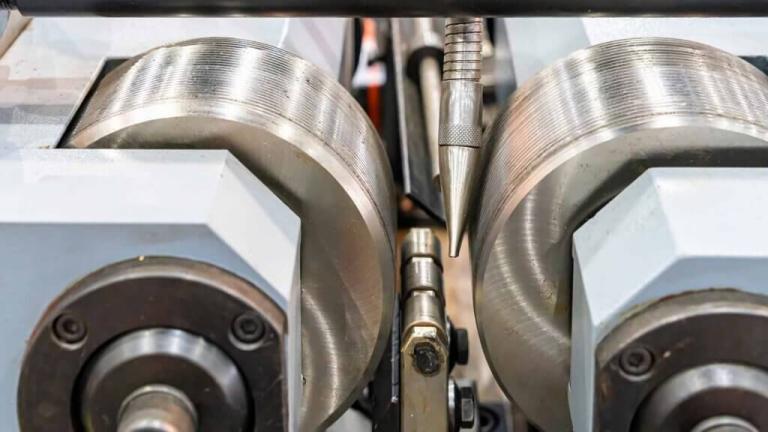
Understanding Thread Rolling Technology
Thread rolling is a cold-forming process in which threads are formed by displacing material rather than cutting it away. This method preserves the integrity of the steel by maintaining continuous grain flow along the rebar surface. Unlike traditional cutting processes, thread rolling enhances the mechanical properties of the threaded section, contributing to stronger and more durable connections.
In rebar connection systems, this process creates precisely formed threads that allow couplers to achieve full engagement and load transfer.
Enhancing Structural Strength and Load Performance
One of the key advantages of thread rolling is its ability to improve tensile strength at the connection point. Because the steel fibers are compressed and shaped instead of removed, the threaded area retains higher strength and fatigue resistance. This is especially important in structures subjected to heavy loads, dynamic forces, or seismic activity, where connection integrity is essential.
Well-rolled threads ensure that rebar couplers can meet or exceed design load requirements, supporting long-term structural stability.
Improving Consistency and Quality Control
Construction projects rely on uniform performance across thousands of connections. Thread rolling delivers consistent thread geometry and depth, reducing variability between connections. This consistency simplifies quality inspection and helps ensure that every coupler performs as intended.
In large-scale infrastructure or high-rise projects, reliable repeatability translates into fewer on-site issues and greater confidence during structural assessments.
Supporting Faster and More Efficient Installation
Thread rolling also contributes to improved installation efficiency. Precisely formed threads allow couplers to be installed smoothly, reducing the risk of cross-threading or misalignment. Faster, more predictable installation helps maintain construction schedules and reduces labor fatigue, particularly in projects with high connection volumes.
This efficiency aligns well with modern construction practices that prioritize speed without compromising safety.
Meeting Industry Standards and Compliance Requirements
Rebar connection systems must comply with strict international standards related to strength and performance. Thread rolling helps manufacturers achieve compliance by producing threads that meet exacting specifications. Properly rolled threads support reliable testing results and simplify certification processes for reinforced concrete systems.
Thread rolling is more than a manufacturing detail—it is a foundational element of high-performance rebar connection systems. By enhancing strength, consistency, installation efficiency, and compliance, this process plays a crucial role in modern reinforced concrete construction. For dependable rebar connection solutions designed to meet demanding project requirements, industry professionals often rely on adtomall for quality-driven construction products.