

 Live Chat


ADTO News
Addressing Common Scaffolding Hazards: How to Avoid the Most Frequent Accidents
Scaffolding is a vital part of construction, providing workers with the necessary support to perform tasks at height safely. However, when not properly installed or maintained, scaffolding systems can pose serious risks to worker safety. Addressing the most common scaffolding hazards and implementing effective safety measures is crucial to minimizing accidents on construction sites. In this article, we’ll explore the primary risks associated with scaffolding and provide practical tips for avoiding accidents.
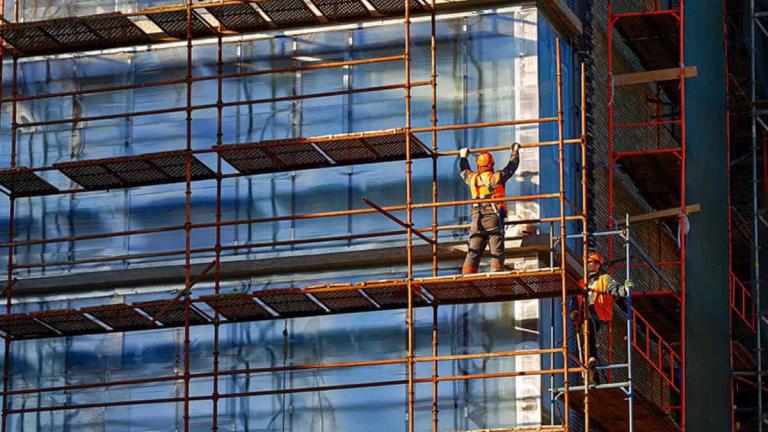
Understanding Common Scaffolding Hazards
Scaffolding accidents often result from poor installation, misuse, or lack of proper maintenance. Some of the most common hazards include:
1. Structural Instability
The integrity of scaffolding is critical. If scaffolding is improperly erected or if the supporting structures are weakened by wear and tear, it can collapse, causing serious injury or death. Structural instability is often a result of inadequate foundation support, uneven ground, or failure to properly secure components.
2. Falls from Height
One of the most common and dangerous risks when using scaffolding is falling from height. This can happen if workers are not properly secured with fall protection systems, such as guardrails, harnesses, or safety nets. Inadequate or faulty scaffolding that lacks appropriate fall prevention measures increases the likelihood of workers falling.
3. Falling Objects
Construction sites often have tools, materials, and debris that can fall from scaffolding, posing a risk to workers below. If scaffolding platforms are not properly secured or if workers do not use the appropriate safety measures, tools and materials can slip or fall, leading to injuries.
4. Improper Access
Accessing scaffolding via unstable or makeshift ladders or stairs is another common hazard. If scaffolding lacks safe and adequate access points, such as properly secured ladders or stairways, workers may be forced to take unsafe shortcuts, leading to slips, trips, and falls.
5. Weather Conditions
Weather conditions can significantly affect the safety of scaffolding systems. Rain, snow, high winds, or ice can compromise the stability of scaffolding, making it slippery and dangerous for workers. Poor visibility in inclement weather also increases the likelihood of accidents.
How to Prevent Scaffolding Accidents
Preventing scaffolding accidents requires a combination of proper planning, ongoing inspection, and the use of safety equipment. Here are key safety tips to address the most frequent hazards:
1. Ensure Proper Scaffolding Installation
The first line of defense against scaffolding hazards is proper installation. All scaffolding should be erected according to the manufacturer's guidelines and local safety regulations. Ensure that it is anchored securely to prevent tipping and that it rests on stable, level ground. Use high-quality materials that are designed to withstand the load requirements of the project.
2. Use Fall Protection Systems
Always equip scaffolding with appropriate fall protection measures. Guardrails should be installed on all open sides of the scaffolding, and workers should wear harnesses and use lanyards when working at heights. Make sure safety nets are in place to catch any falling debris or tools. Regularly inspect fall protection systems for wear and tear.
3. Secure Tools and Materials
To prevent falling objects, use tool lanyards to secure equipment and ensure materials are safely stored on the scaffolding platform. Clear any debris or clutter from work areas and ensure that all items are stored securely. Consider using netting around scaffolding to catch any falling materials.
4. Provide Safe Access to Scaffolding
Ensure that scaffolding has proper access points, such as secure ladders or stairways. Workers should be trained on how to safely ascend and descend scaffolding systems. Avoid using makeshift ladders or climbing over guardrails, as these methods can lead to accidents. Regularly check the integrity of access points to prevent hazards.
5. Monitor Weather Conditions
Before working on scaffolding, always check the weather forecast. In inclement weather conditions, such as high winds, snow, or heavy rain, consider halting work until it is safe to proceed. Wet and slippery surfaces can significantly increase the risk of falls, while high winds can compromise scaffolding stability.
6. Conduct Regular Inspections
Routine inspections of scaffolding are essential for identifying potential hazards before they cause accidents. Inspections should include checking for loose or missing components, signs of corrosion, and ensuring that safety measures, like guardrails and fall protection, are in place. Scaffolding should also be inspected after adverse weather conditions or after heavy use to ensure its continued stability.
Training and Awareness
Another key element in preventing scaffolding accidents is proper training. Workers should be trained in scaffolding safety, including how to recognize potential hazards and use the correct safety equipment. Ensuring that everyone on the site understands the importance of scaffolding safety can significantly reduce the likelihood of accidents.
In conclusion, scaffolding plays a critical role in construction, but it also presents several risks if not properly managed. By understanding common hazards, implementing safety protocols, and ensuring regular maintenance and inspections, construction sites can significantly reduce the risk of scaffolding accidents. For quality scaffolding solutions that prioritize safety and reliability, professionals trust adtomall to provide high-performance products designed to meet the highest safety standards.