

 Live Chat


ADTO News
Exploring the Benefits of Aluminum Formwork in Large-Scale Concrete Projects
Aluminum formwork systems have become an integral part of modern construction, particularly in large-scale concrete projects. Known for their efficiency, precision, and reusability, aluminum formwork is revolutionizing the way concrete structures are built. In this article, we will explore the numerous benefits of aluminum formwork and its application in large construction projects, highlighting why it is becoming the go-to choice for many builders.
What is Aluminum Formwork?
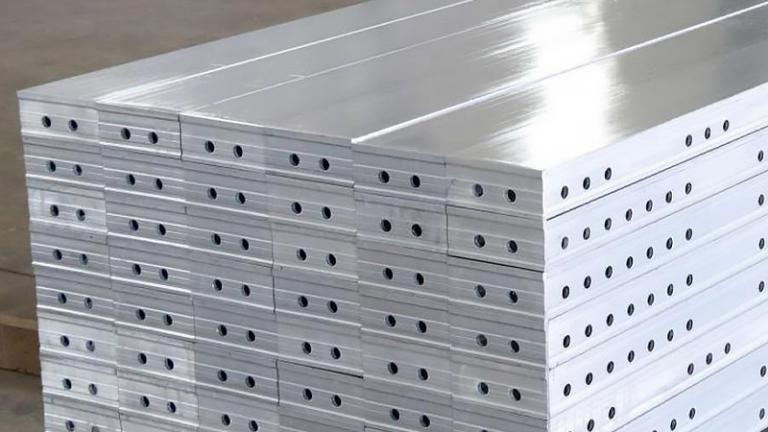
Aluminum formwork is a modular construction system used to mold concrete into specific shapes and sizes. Made from high-strength, lightweight aluminum alloy, these forms are typically used to create walls, floors, and ceilings in concrete buildings. Aluminum formwork systems are assembled on-site to create the desired shape and then filled with concrete, forming the structural elements of a building.
This system offers flexibility in terms of design and is widely used in high-rise buildings, residential complexes, commercial properties, and infrastructure projects due to its ease of use, speed, and cost-effectiveness.
Key Benefits of Aluminum Formwork
1. Lightweight and Easy to Handle
One of the main advantages of aluminum formwork is its lightweight nature, making it easy to handle and assemble compared to traditional formwork systems made of wood or steel. This lightweight characteristic reduces labor costs by making the installation process quicker and more efficient. Workers can handle the panels with ease, speeding up the construction process and ensuring safety on-site.
The lightweight nature of aluminum also reduces transportation costs, as the materials are less bulky and easier to move. With aluminum formwork, there is no need for extensive lifting equipment, which further reduces the overall cost of the project.
2. Durability and Reusability
Aluminum formwork is known for its exceptional durability. Unlike wood, which can degrade or wear out over time, aluminum forms maintain their integrity even after multiple uses. A well-maintained aluminum formwork system can be used for up to 300 cycles, making it a long-lasting investment for any construction project.
The reusability of aluminum formwork contributes to significant cost savings. Since the system can be reused multiple times, builders can reduce material waste and the need for additional formwork. This not only lowers construction costs but also contributes to sustainability by minimizing the environmental impact of the project.
3. Improved Construction Speed
One of the most significant benefits of aluminum formwork is its impact on construction speed. Aluminum formwork systems are pre-engineered and designed for easy assembly, allowing for faster setup and takedown than traditional wooden or steel forms. The ease of assembly and disassembly minimizes delays and enables quicker turnover times.
In addition to faster assembly, aluminum formwork provides precision and accuracy in the casting process. As the formwork is tightly fitted and designed to exact specifications, it ensures that the finished concrete structure has minimal defects, leading to reduced time spent on rework and finishing.
4. Precision and Quality
Aluminum formwork provides a high level of precision, which is crucial for ensuring the structural integrity of large concrete projects. The tight-fitting panels ensure smooth surfaces and well-formed concrete walls and floors, reducing the need for extensive finishing work once the concrete sets.
This precision also helps maintain consistency across the project. The modular nature of aluminum formwork allows for the construction of identical components, ensuring uniformity throughout the building and enhancing the overall quality of the final structure.
5. Cost-Effectiveness
While aluminum formwork may require a higher initial investment than other formwork materials, the long-term savings it provides make it a highly cost-effective option. The reusability and durability of aluminum formwork reduce the need for replacement parts and extensive labor, which helps control costs over the course of the project.
In addition to reducing the costs associated with labor and materials, aluminum formwork systems can help shorten construction timelines, which leads to additional savings in project costs. The faster the construction, the sooner the building is ready for occupancy, resulting in quicker returns on investment for developers.
6. Eco-Friendly and Sustainable
Aluminum is a highly sustainable material. It is fully recyclable, and aluminum formwork systems can be reused multiple times, making them more eco-friendly compared to disposable formwork materials like timber or plywood. Furthermore, the energy and raw materials required to produce aluminum have a lower environmental impact compared to other materials used in construction.
As the construction industry becomes more focused on sustainability, aluminum formwork offers a greener alternative. By using a reusable and recyclable material, builders can reduce their environmental footprint while still achieving high-quality results.
Applications of Aluminum Formwork
Aluminum formwork is ideal for use in a variety of construction projects, particularly those that require high-quality finishes and precision. Some of the key applications include:
High-Rise Buildings: Aluminum formwork is commonly used in the construction of high-rise buildings, where speed, precision, and efficiency are essential. Its lightweight design and ease of use allow workers to quickly build the complex structures that characterize high-rise projects.
Residential Buildings: For residential projects, aluminum formwork provides an efficient and cost-effective solution for constructing walls, floors, and ceilings. Its ability to produce high-quality finishes makes it perfect for modern residential designs.
Commercial and Industrial Buildings: Aluminum formwork is also used in the construction of commercial and industrial buildings. Its strength and durability make it ideal for creating large concrete structures, including foundations, floors, and exterior walls.
Infrastructure Projects: Aluminum formwork is increasingly used in infrastructure projects such as bridges, tunnels, and viaducts, where precision and speed are critical. Its adaptability and strength make it a suitable choice for large-scale infrastructure works.
Conclusion
Aluminum formwork is transforming the construction industry by offering a versatile, efficient, and cost-effective solution for large-scale concrete projects. Its lightweight design, durability, reusability, and precision ensure that construction projects are completed faster, with better quality and fewer environmental impacts.
By adopting aluminum formwork, builders can save time, reduce costs, and enhance the safety and quality of their projects. For high-quality aluminum formwork solutions that align with modern construction demands, adtomall provides reliable and durable options that ensure your project’s success. Contact us today to learn more about how aluminum formwork can enhance the efficiency and effectiveness of your next construction project!