

 Live Chat


ADTO News
The Growing Role of Scaffolding in the Renewable Energy Sector
As the world transitions towards more sustainable energy sources, the renewable energy sector is experiencing rapid growth. This surge in demand for wind, solar, and other renewable energy technologies is accompanied by an increasing need for specialized infrastructure and construction solutions. One key element in ensuring the safety and efficiency of renewable energy projects is scaffolding. In this article, we explore how scaffolding is playing an increasingly important role in the renewable energy industry and how it is being adapted to meet the unique challenges of these projects.
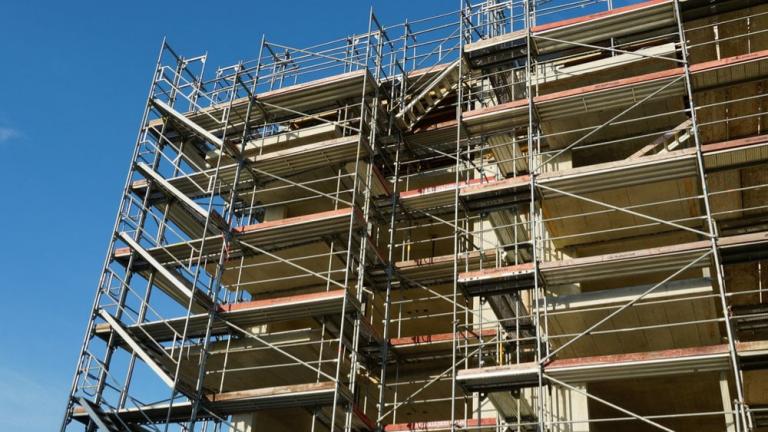
The Unique Challenges of Renewable Energy Construction
The renewable energy sector, including solar farms, wind turbines, and energy storage facilities, often involves large-scale, complex projects in diverse environments. These projects pose unique challenges that require innovative solutions to ensure safety, efficiency, and compliance with industry standards.
For example, wind turbine construction and maintenance often take place at great heights, requiring scaffolding systems that can support workers and equipment safely at elevated levels. Similarly, solar panel installation on large farms demands scaffolding that can handle both height and heavy loads while providing stability in various weather conditions. The growing complexity of renewable energy projects calls for scaffolding systems that are flexible, durable, and able to support multiple trades working simultaneously.
Scaffolding Solutions for Renewable Energy Projects
1. Wind Energy Projects
Wind turbine construction and maintenance involve working at heights, often in challenging weather conditions. The large and tall structures require scaffolding that can provide safe access for workers. Modular scaffolding systems are particularly useful in this context because they can be customized to suit the specific dimensions of each turbine. Additionally, scaffolding systems equipped with safety features, such as fall protection, ensure that workers can perform maintenance tasks, such as blade repair or turbine installation, without putting themselves at risk.
In addition to access, scaffolding is used for temporary platforms during assembly and maintenance activities, including the installation of turbines and associated equipment. The ability to adjust scaffolding systems to fit the specific needs of the site increases efficiency and minimizes downtime during project execution.
2. Solar Energy Projects
In solar energy, particularly for large-scale solar farms, scaffolding plays a critical role in the installation of solar panels, wiring, and supporting infrastructure. Given that solar farms can span large areas, scaffolding systems need to be both lightweight and flexible enough to cover extensive terrain. These systems are designed to facilitate the efficient installation of solar panels while ensuring worker safety.
Scaffolding used in solar energy projects often incorporates platforms and guardrails, allowing workers to safely reach elevated areas and install panels with ease. Additionally, because many solar installations are located in remote or challenging environments, scaffolding needs to be adaptable, durable, and resistant to environmental conditions like wind, rain, and extreme temperatures.
3. Energy Storage and Other Renewable Infrastructure
Energy storage facilities, such as battery storage systems, require scaffolding solutions that support workers in confined spaces or multi-story buildings. Scaffolding must be versatile enough to navigate tight spaces while still ensuring safe and efficient access to all areas of the facility. In addition, scaffolding is also essential for maintaining other components of renewable energy infrastructure, such as substations and distribution systems.
Given the specialized needs of these facilities, scaffolding used in energy storage and other renewable infrastructure projects is often customized to meet specific site requirements. This adaptability allows for safer, more efficient construction and maintenance work, especially in locations where access is limited or complex.
Safety Considerations in Renewable Energy Projects
Safety is a top priority in any construction project, and renewable energy projects are no exception. Given the height and complexity of many renewable energy systems, scaffolding plays a crucial role in protecting workers from falls, one of the leading causes of injury and fatalities on construction sites.
The use of scaffolding systems with integrated fall protection, secure access points, and stable platforms helps minimize the risk of accidents during both construction and ongoing maintenance. Additionally, scaffolding that allows workers to safely move equipment, tools, and materials further enhances the safety and efficiency of renewable energy projects.
Sustainability and Eco-Friendly Practices
As part of the renewable energy industry's commitment to sustainability, scaffolding systems used in these projects are increasingly being designed with eco-friendly materials and practices in mind. For example, aluminum scaffolding is a popular choice due to its lightweight nature, corrosion resistance, and recyclability. By choosing sustainable scaffolding solutions, renewable energy projects can reduce their environmental impact while maintaining the highest standards of safety and performance.
The Future of Scaffolding in Renewable Energy
The role of scaffolding in the renewable energy sector is only expected to grow as the demand for clean energy continues to rise. As technology evolves and renewable energy projects become larger and more complex, scaffolding systems will need to adapt to meet new challenges. The future of scaffolding in renewable energy is likely to see the introduction of more advanced, modular, and customizable systems that can address the specific requirements of each project.
Moreover, with advancements in materials and construction techniques, scaffolding solutions will become more efficient, cost-effective, and environmentally friendly. As the industry pushes towards greater sustainability, scaffolding providers will continue to innovate, helping to build a cleaner, greener, and more energy-efficient future.
In conclusion, scaffolding is playing an increasingly vital role in the renewable energy sector, enabling the construction and maintenance of wind turbines, solar farms, energy storage systems, and other infrastructure projects. By providing safe and reliable access for workers, scaffolding helps ensure the success of renewable energy projects, contributing to the growth of clean energy worldwide. For reliable scaffolding solutions that meet the unique needs of renewable energy projects, adtomall offers high-quality, adaptable systems designed to enhance safety and performance in these critical industries.