

 Live Chat


ADTO News
The Impact of Sustainable Practices on Scaffolding Design
Sustainability is becoming an essential part of modern construction, and scaffolding—once considered a disposable auxiliary structure—is now moving toward greener, more efficient design principles. As building standards evolve and environmental expectations grow, scaffolding systems are being redesigned to minimize waste, improve longevity, and support safer, more responsible construction practices.
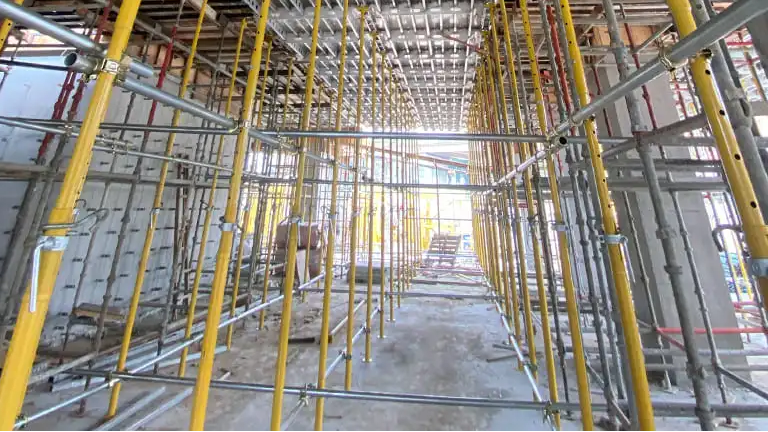
Materials That Reduce Environmental Impact
One of the most significant developments is the shift toward materials that deliver both strength and sustainability. High-strength steel allows for thinner-walled tubes that maintain structural integrity while reducing raw material usage. Aluminum, with its lightweight profile and near-100% recyclability, offers another environmentally conscious option for contractors aiming to lower transportation emissions and reduce long-term disposal impact. These material upgrades help create scaffolding that is both durable and environmentally responsible.
Modular Engineering to Minimize Waste
Modern scaffolding relies heavily on modular design—standardized, reusable components that can be assembled in countless configurations. This approach dramatically reduces the need for project-specific cutting, welding, or customization, helping construction teams keep waste to a minimum. Modular systems also streamline project timelines because workers spend less time modifying materials and more time assembling safe, predictable structures.
Enhanced Durability for Extended Service Life
Sustainable design isn’t only about the materials used—it’s also about making every component last longer. New protective coatings, advanced galvanization methods, and upgraded locking mechanisms help scaffolding withstand repeated cycles of installation, dismantling, and storage. A longer operational lifespan reduces the frequency of replacement and lowers the overall environmental footprint of construction operations. Durable scaffolding not only cuts costs but also aligns with global sustainability goals.
Cleaner and More Efficient Manufacturing
The push for sustainability extends into the production phase. Many manufacturers now adopt lower-emission welding systems, automated cutting equipment, and energy-efficient heat treatment processes. These improvements reduce the carbon footprint of scaffolding production while ensuring higher levels of precision. Cleaner manufacturing results in safer, more reliable components that continue performing well over repeated use.
Transport and Logistics Designed for Efficiency
Sustainable scaffolding solutions also take logistics into account. Compact stacking frames, lightweight materials, and space-efficient packaging reduce the number of transport trips required for delivery and retrieval, lowering fuel consumption and emissions. This logistical efficiency supports both environmental responsibility and smoother on-site operations.
Supporting Green Construction Standards
As green building certifications become more common worldwide, sustainable scaffolding design plays a meaningful role. Reusable components, recyclable materials, and energy-saving manufacturing help contractors meet environmental benchmarks without compromising safety or efficiency. Scaffolding that supports sustainability ultimately contributes to safer workplaces and more responsible project outcomes.
Sustainable scaffolding design is no longer an option—it is becoming a core expectation for companies aiming to build responsibly and competitively in the global construction industry. For more professional insights and high-quality building solutions, feel free to explore adtomall for detailed product offerings and support.