

 Live Chat


ADTO News
Choosing Between Steel and Aluminum Scaffolding
Selecting the right scaffolding system is a critical decision for any construction project. Among the most common options, steel and aluminum scaffolding each offer distinct advantages depending on project scale, working environment, and operational priorities. Understanding the differences between these two materials helps contractors make informed choices that balance safety, efficiency, and cost.
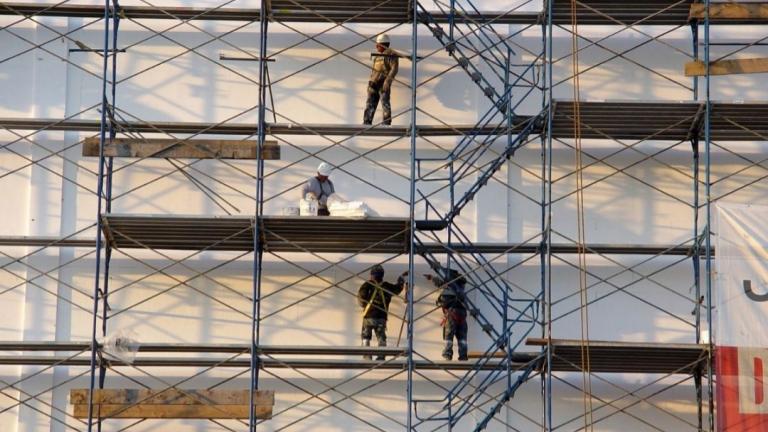
Strength and Load Capacity
Steel scaffolding is widely recognized for its high load-bearing capacity. It performs exceptionally well in heavy-duty applications such as high-rise construction, infrastructure projects, and industrial maintenance where large loads and long-term stability are required. Steel’s rigidity provides confidence when supporting heavy materials and multiple workers simultaneously.
Aluminum scaffolding, while lighter, still offers reliable strength for many applications. It is particularly suitable for light- to medium-duty tasks where mobility and frequent repositioning are necessary. Although aluminum cannot match steel in maximum load capacity, modern designs ensure sufficient strength for most standard construction and maintenance work.
Weight and Ease of Handling
One of the most noticeable differences lies in weight. Aluminum scaffolding is significantly lighter than steel, making it easier to transport, assemble, and dismantle. This advantage reduces labor intensity and can speed up workflows, especially on projects that require frequent relocation or short setup times.
Steel scaffolding, being heavier, typically requires more manpower or lifting equipment. However, this additional weight also contributes to its stability, which can be beneficial in windy environments or long-term installations.
Durability and Environmental Resistance
Steel scaffolding is known for its durability and ability to withstand harsh jobsite conditions. With proper surface treatment such as galvanization, it offers strong resistance to corrosion and mechanical wear, making it suitable for long-term outdoor use.
Aluminum scaffolding naturally resists rust and corrosion, which is an advantage in humid or coastal environments. Its corrosion resistance also reduces maintenance requirements over time, contributing to lower lifecycle costs in certain conditions.
Cost Considerations
From an initial investment perspective, steel scaffolding is often more cost-effective for large-scale or long-term projects. Its long service life and high load capacity make it a practical choice where strength and durability are top priorities.
Aluminum scaffolding may come with a higher upfront cost, but its lightweight nature can reduce labor expenses and setup time. For projects focused on efficiency and flexibility, these operational savings can offset the initial investment.
Application Scenarios
Steel scaffolding is commonly used in high-rise buildings, bridges, power plants, and industrial facilities where heavy loads and extended use are expected. Aluminum scaffolding is frequently chosen for interior work, maintenance projects, façade access, and situations where fast assembly and mobility are essential.
Both steel and aluminum scaffolding play important roles in modern construction, and the right choice depends on project demands, working conditions, and efficiency goals. By carefully evaluating strength requirements, handling needs, durability, and cost factors, contractors can select scaffolding systems that support safer and more productive worksites. For a wide range of reliable scaffolding solutions and construction materials, many professionals turn to adtomall for dependable support across diverse project needs.