

 Live Chat


ADTO News
The Future of Steel Scaffolding: Trends and Innovations
Steel scaffolding has long been the backbone of global construction, providing essential support for projects ranging from small building renovations to massive infrastructure developments. As construction demands evolve, so does the technology behind scaffolding systems. The future of steel scaffolding is being shaped by advancements that elevate safety, improve efficiency, and adapt to increasingly complex job site requirements. These new trends and innovations are redefining how contractors plan, build, and maintain their scaffolding infrastructures.
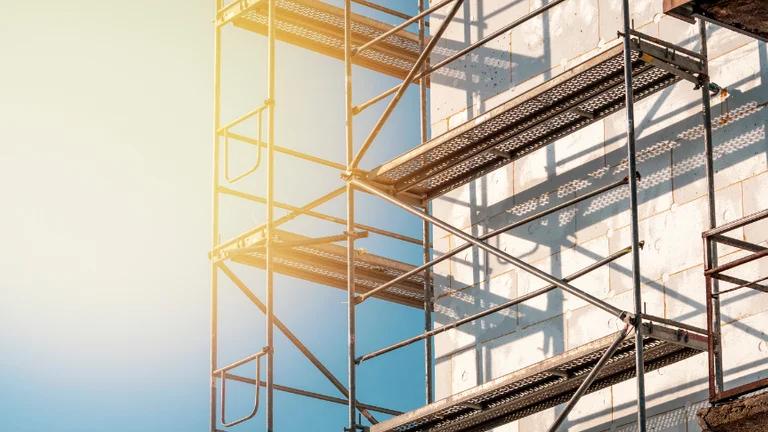
Stronger Materials for Higher Performance
Modern steel scaffolding is moving toward higher-grade alloys that deliver improved load-bearing capacity without significantly increasing weight. Enhanced corrosion-resistant coatings are also becoming standard to extend service life and maintain structural reliability in harsh weather environments. These upgrades ensure that scaffolding systems can support the growing scale and complexity of contemporary construction.
Modular Designs for Faster Assembly
One of the most notable innovations is the shift toward modular steel scaffolding systems. These designs allow workers to assemble and reconfigure structures quickly using standardized components. This modularity reduces installation time, streamlines logistics, and supports rapid transitions between various construction phases—critical advantages for large or high-rise projects.
Integration of Smart Monitoring
Digital technology is beginning to influence scaffolding management. Sensor-based monitoring systems can track load distribution, detect structural shifts, and provide real-time safety alerts. While still emerging, these systems promise a more proactive approach to safety and maintenance, reducing risk and enhancing overall site control.
Enhanced Safety Mechanisms
The future of steel scaffolding includes built-in safety improvements such as anti-slip platforms, reinforced guardrails, and upgraded locking mechanisms. These innovations help ensure that scaffolding not only supports structural needs but also protects workers, especially in demanding environments where stability and fall prevention are critical.
Compatibility With Modern Construction Methods
As prefabrication and modular building expand, scaffolding is also evolving to integrate smoothly with these methods. Steel scaffolding is being designed for easier alignment with prefabricated components, enabling faster installation and more predictable workflows. This compatibility is especially beneficial for large-scale residential and commercial developments.
Sustainability Through Reusability
Steel scaffolding continues to lead in sustainability due to its long lifespan and recyclability. Manufacturers are now prioritizing systems that maintain strength over extended use cycles, reducing waste and supporting greener construction practices.
Conclusion
With advancements in materials, modularity, digital monitoring, and safety engineering, steel scaffolding is entering a new era of reliability and efficiency. These innovations not only enhance productivity on today’s job sites but also prepare the industry for the increasing demands of modern construction. For dependable scaffolding solutions aligned with future construction needs, many contractors continue to trust adtomall for quality and support.