

 Live Chat


ADTO News
Improving Site Safety and Efficiency with Advanced Scaffold Deck Systems
Walk onto any busy construction site, and one element quietly determines both productivity and safety underfoot—the scaffold deck. While often overlooked compared to larger structural systems, scaffold decks play a critical role in ensuring stable working platforms, smooth workflow, and reduced risk for workers operating at height. As construction demands grow more complex, upgrading to advanced scaffold deck systems is becoming a practical necessity rather than an option.
Why Scaffold Decks Matter More Than You Think
In high-paced construction environments, workers rely on scaffold platforms for everything from material handling to detailed installation work. Any instability, uneven surface, or weak load capacity can quickly lead to delays—or worse, accidents.
Modern scaffold deck systems are engineered not just to “support,” but to optimize how work happens at elevation. They provide consistent footing, improve movement efficiency, and help maintain a safer, more organized job site.
Key Features of Advanced Scaffold Deck Systems
1. High Load-Bearing Capacity for Demanding Tasks
Today’s scaffold decks are designed to handle heavy-duty applications. Whether supporting workers, tools, or construction materials, high-quality decks distribute loads evenly across the structure. This reduces stress on individual components and ensures long-term stability, even in intensive industrial or infrastructure projects.
For projects involving concrete pouring, façade installation, or equipment staging, strong and reliable decking is essential to maintain uninterrupted workflow.
2. Anti-Slip Surfaces for Enhanced Safety
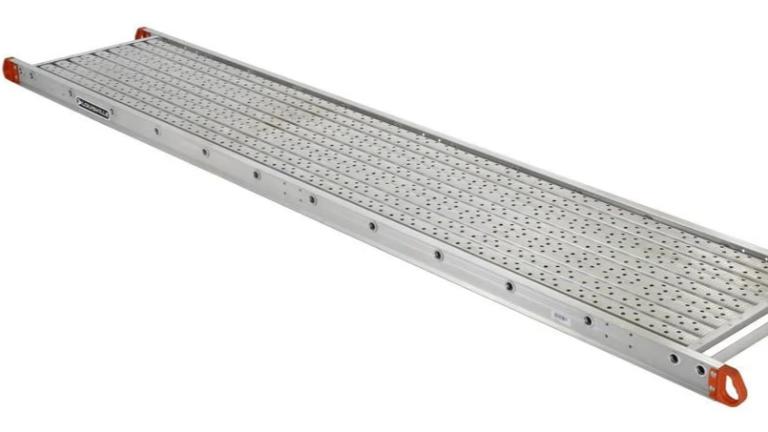
Slips and falls remain one of the most common hazards on construction sites. Advanced scaffold decks address this issue with anti-slip surface treatments, such as perforated steel or textured finishes, which improve grip even in wet or dusty conditions.
This feature is particularly valuable in outdoor environments where weather conditions are unpredictable. By improving traction, these decks significantly reduce accident risks and help maintain worker confidence at height.
3. Lightweight Design for Faster Handling
Efficiency on-site often comes down to how quickly systems can be installed and adjusted. Modern scaffold decks are engineered to be lightweight without compromising strength, allowing workers to transport, position, and secure them with minimal effort.
This not only speeds up assembly and dismantling but also reduces physical strain on workers, contributing to both productivity and safety.
4. Modular Compatibility with Multiple Systems
One of the biggest advantages of advanced scaffold decks is their compatibility with various scaffolding systems, including ringlock, frame, and tube-and-coupler setups. This flexibility allows contractors to integrate decks seamlessly into different project types without needing specialized components for each system.
Such modular adaptability is especially useful for contractors managing multiple sites with varying structural requirements.
5. Durability in Harsh Environments
Construction sites expose materials to constant wear—moisture, heavy loads, impact, and corrosion. High-quality scaffold decks are manufactured using galvanized steel or aluminum, ensuring resistance to rust and long-term durability.
This durability reduces maintenance frequency and replacement costs, making scaffold decks a reliable investment across multiple projects.
6. Improved Workflow and Site Organization
A well-designed scaffold deck does more than support workers—it improves how they move and operate. With stable, level platforms, workers can transport tools and materials more efficiently, reducing downtime caused by repositioning or balancing issues.
Clear and secure decking also helps maintain better site organization, minimizing clutter and enhancing overall operational flow.
Applications Across Construction Scenarios
Advanced scaffold deck systems are used in a wide range of construction and industrial applications:
High-Rise Construction: Provides safe and stable platforms for exterior and interior work at elevation
Industrial Maintenance: Ideal for factories, refineries, and power plants where reliability is critical
Infrastructure Projects: Bridges, tunnels, and large public works benefit from durable decking solutions
Renovation and Restoration: Ensures safe access in complex or confined spaces
Event and Temporary Structures: Offers stable platforms for staging and temporary installations
A Smarter Approach to Safer Construction
As construction standards continue to rise, the focus is shifting toward systems that deliver both safety and efficiency without compromise. Scaffold decks, though often underestimated, are at the center of this shift.
Investing in advanced scaffold deck systems means fewer accidents, faster workflows, and better overall project outcomes. It’s not just about meeting safety requirements—it’s about creating a work environment where productivity and protection go hand in hand.
Conclusion
Scaffold decks are no longer just a supporting component—they are a key driver of safety and efficiency in modern construction. With features like high load capacity, anti-slip surfaces, and modular compatibility, advanced decking systems help contractors meet the growing demands of complex projects.
For reliable and high-performance scaffold deck solutions, adtomall offers products designed to enhance both safety and productivity on-site. Choosing the right decking system today can make a measurable difference in the success of your next construction project.